
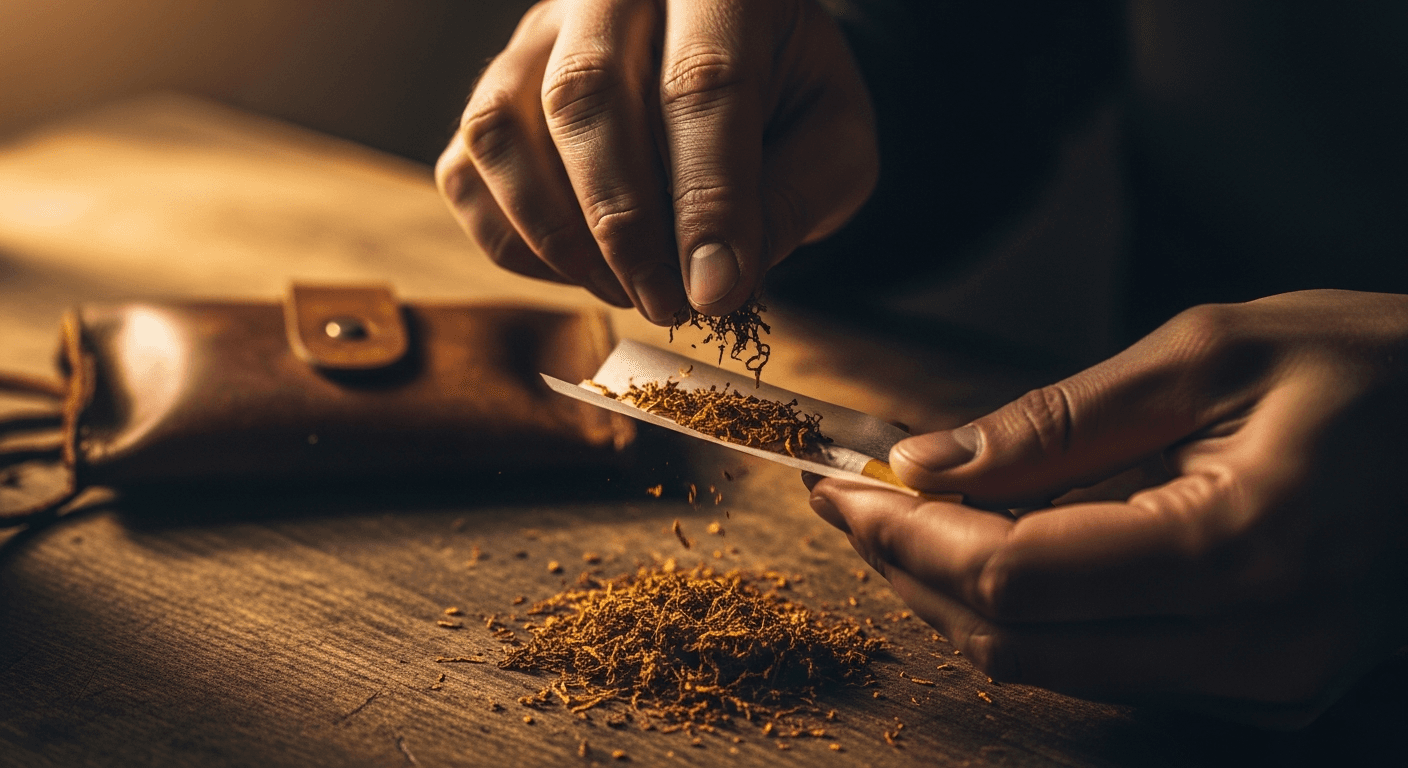
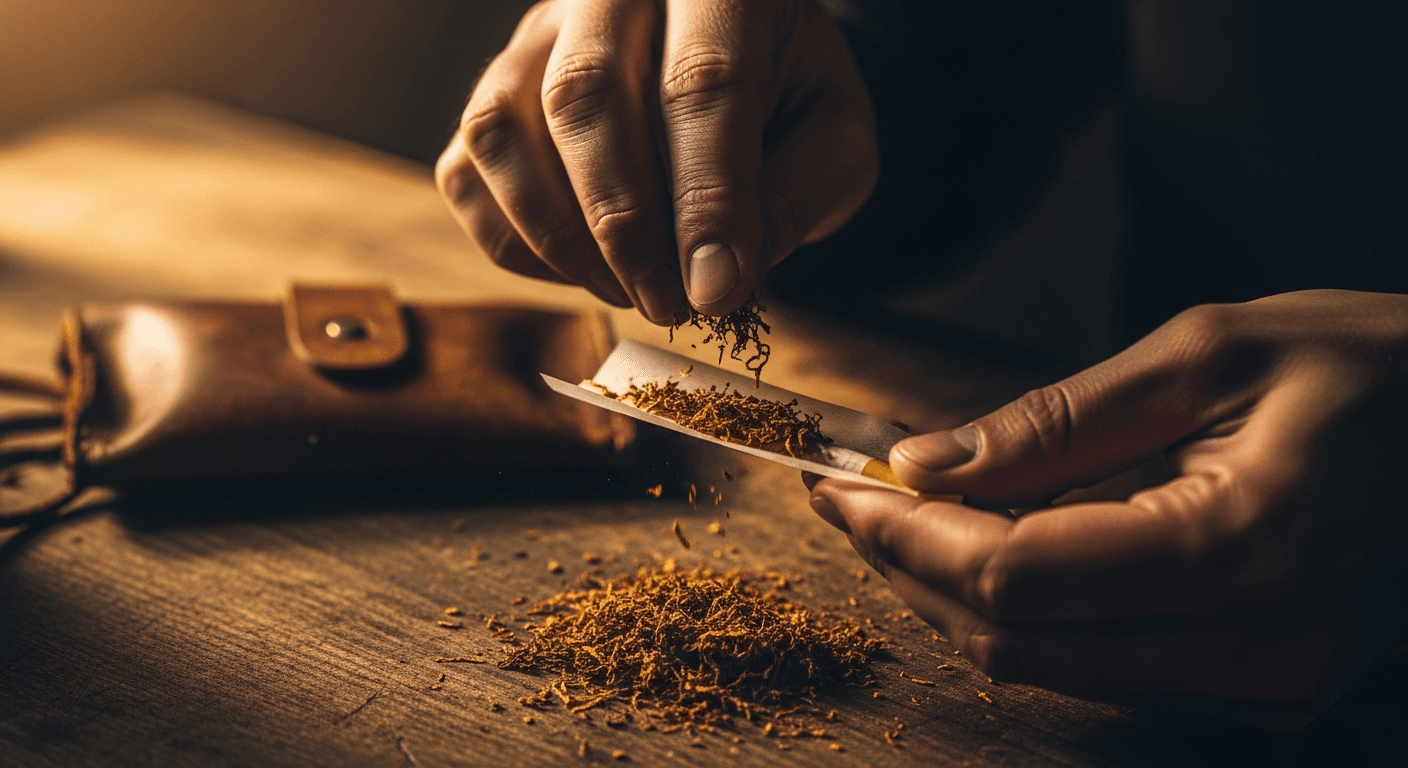
Many smokers assume that hand-rolling their cigarettes is a healthier choice — fewer additives, fresher tobacco, more control over what goes into each smoke. It's an understandable assumption. But the reality is more nuanced than the marketing around "natural" tobacco would suggest.
Here's an honest look at what the research and experts actually say, so you can make an informed decision.
Are hand-rolled cigarettes healthier than commercial ones?
Not meaningfully, no. When you roll your own cigarettes using loose tobacco and rolling papers, you're working with the same core tobacco plant — and combustion is combustion. Burning tobacco produces carbon monoxide, tar, and thousands of chemical compounds regardless of whether the cigarette came off an assembly line or out of your own hands.
A commonly cited advantage of hand-rolling is that you can inspect the tobacco yourself, reducing the chance of mold, foreign material, or inconsistent moisture. That's a real benefit for quality control — but it doesn't reduce the inherent risks of smoking tobacco.
One area where roll-your-own (RYO) tobacco does differ: commercial cigarettes contain a large number of additives — burn accelerants, humectants, flavor enhancers, and preservatives. Many brands of loose tobacco have fewer of these additives, which some smokers prefer. However, fewer additives doesn't mean fewer health risks; it primarily affects taste and burn characteristics.
| Factor | Commercial Cigarettes | Hand-Rolled (RYO) |
|---|---|---|
| Additives | Many (burn agents, humectants, flavors) | Fewer — varies by brand |
| Tobacco Control | None — pre-blended | Full — choose variety and blend |
| Cost | $8–$11 per pack in VA | ~$0.25–$0.40 per cigarette |
| Health Risk Profile | Same combustion risks | Same combustion risks |
| Filter Options | Built-in standard filter | Optional — you choose |
Do cigarette filters actually reduce health risks?
Filters reduce some of the tar that reaches your lungs — but they don't trap the most harmful chemicals in cigarette smoke. Nicotine, carbon monoxide, and hundreds of toxic compounds pass through standard cellulose acetate filters relatively freely.
What filters do change is the draw: filtered cigarettes feel smoother, which can cause smokers to inhale more deeply or smoke more cigarettes to achieve the same nicotine satisfaction. Unfiltered and hand-rolled cigarettes without filters expose the lungs to more tar per puff, but the fundamental chemical risks of the smoke itself remain consistent across both types.
If you're rolling your own, you can purchase separate filter tips at most smoke shops. Some RYO smokers use these; others prefer unfiltered. Neither approach significantly changes the risk profile of smoking itself.
At Burn & Brew, Arlington VA
We carry a wide range of loose tobacco, rolling papers, and filter tips — so you can roll exactly how you like.
Browse Cigarettes & Tobacco →What tobacco brands use fewer additives?
Several brands of both loose and pre-rolled tobacco market themselves on transparency and minimal processing. American Spirit (Natural American Spirit) is the most widely known, disclosing that their tobacco contains no added chemicals — though they are careful to note this doesn't make their products safer. Other well-regarded minimal-additive loose tobacco brands include Drum, Bali Shag, and Pueblo.
If additive content matters to you, ask us at the shop. We stock a range of rolling tobacco options and are happy to walk you through the differences in sourcing, curing methods, and what each brand discloses about their manufacturing process.
It's also worth reading our guide to different tobacco types and flavor profiles — understanding how tobacco is grown and cured gives you a much clearer picture of what you're actually smoking.
Are nicotine alternatives safer than smoking tobacco?
This is where the evidence is clearer. Nicotine pouches — which contain nicotine but no tobacco leaf and produce no smoke — eliminate the combustion risk entirely. Products like ZYN, on!, and VELO deliver nicotine without tar, carbon monoxide, or the thousands of byproducts of burning tobacco. They're not risk-free (nicotine is addictive), but the harm profile is dramatically different from smoking.
Similarly, disposable vapes and vapor devices heat a liquid rather than burning tobacco, which means no combustion products. Most public health authorities consider vaping substantially less harmful than smoking, though long-term research is still ongoing.
For smokers who aren't ready to quit but are looking to reduce harm, both nicotine pouches and vapes are worth knowing about. We carry both at Burn & Brew and are happy to explain the options without pressure.
Is it worth rolling your own cigarettes?
From a health standpoint: the differences are minimal. From a cost and quality standpoint: rolling your own can save significant money and gives you full control over tobacco type, blend, strength, and paper. Our guide on how much you can save by rolling your own breaks down the math in detail.
The bottom line: any tobacco use carries risk, and hand-rolling doesn't change that fundamental reality. But if you're going to smoke, choosing tobacco you understand and trust — and rolling it yourself — puts you in control of your experience. Stop by our shop at 566 23rd St S in Arlington's Crystal City neighborhood, and we'll help you find the right tobacco and supplies for your preferences.
Frequently Asked Questions
Not meaningfully, no. When you roll your own cigarettes using loose tobacco and rolling papers, you're working with the same core tobacco plant — and combustion is combustion. Burning tobacco produces carbon monoxide, tar, and thousands of chemical compounds regardless of whether the cigarette came off an assembly line or out of your own hands.
Filters reduce some of the tar that reaches your lungs — but they don't trap the most harmful chemicals in cigarette smoke. Nicotine, carbon monoxide, and hundreds of toxic compounds pass through standard cellulose acetate filters relatively freely.
Several brands of both loose and pre-rolled tobacco market themselves on transparency and minimal processing. American Spirit (Natural American Spirit) is the most widely known, disclosing that their tobacco contains no added chemicals — though they are careful to note this doesn't make their products safer. Other well-regarded minimal-additive loose tobacco brands include Drum, Bali Shag, and Pueblo.
This is where the evidence is clearer. Nicotine pouches — which contain nicotine but no tobacco leaf and produce no smoke — eliminate the combustion risk entirely. Products like ZYN, on!, and VELO deliver nicotine without tar, carbon monoxide, or the thousands of byproducts of burning tobacco. They're not risk-free (nicotine is addictive), but the harm profile is dramatically different from smoking.
From a health standpoint: the differences are minimal. From a cost and quality standpoint: rolling your own can save significant money and gives you full control over tobacco type, blend, strength, and paper. Our guide on how much you can save by rolling your own breaks down the math in detail.
Related Reading
How Much Money Can You Save by Rolling Your Own Cigarettes?
Cigarette prices in Virginia have climbed significantly over the past decade. Rolling your own can cut your annual tobacco spend by more than half. Here's the math — and everything you need to get started.
Comparing Types and Flavors of Tobacco
From flue-cured Virginia leaf to earthy Latakia blends, tobacco comes in more varieties than most smokers realize. Here's how the major types differ — and what that means for your smoke.
Are Cigarettes Cheaper in Virginia? DMV Price Comparison
Virginia has the lowest cigarette tax in the DMV — by a wide margin. Here's what that means for prices, how the math compares across DC and Maryland, and what's available at a full-service smoke shop.